





Comparing Pure Sine Wave vs Modified Sine Vehicle Inverters
- Why waveform matters in vehicle power systems
- What is a waveform and why it matters to vehicle systems
- Common vehicle power inverter use cases
- Risk considerations inside vehicles
- Pure Sine Wave vs Modified Sine Wave: Technical comparison
- Electrical output quality and harmonics
- Efficiency, thermal behavior and battery draw
- Device compatibility and practical outcomes
- Selecting the right vehicle power inverter
- Assess the load: continuous vs surge power and load type
- Installation, grounding and EMC inside vehicles
- Certifications and reliability metrics to check
- Industry trends, manufacturer selection and Congsin profile
- Market trends: smart inverters and integrated systems
- Choosing a reliable manufacturer
- Guangzhou Congsin Electronic Technology Co., Ltd. — company and capabilities
- Practical buyer's checklist and example comparisons
- Quick buyer checklist
- Example specification comparison (typical mid-range units)
- FAQs (Frequently asked questions)
- 1. Can I run my laptop and phone chargers on a modified sine inverter?
- 2. Will a modified sine inverter damage motors or compressors?
- 3. How do I size the inverter for my vehicle?
- 4. Are pure sine inverters worth the extra cost?
- 5. What certifications should I look for when buying a vehicle inverter?
- 6. Can solar charge controllers and inverters be combined in a vehicle system?
- Contact and next steps
Vehicle power inverter selection begins with one crucial technical choice: waveform. The inverter waveform—pure sine wave or modified sine wave—directly affects device compatibility, system efficiency, electromagnetic interference (EMI) and long-term reliability of vehicle electrical ecosystems. This guide compares the two waveform types from electrical fundamentals to real-world performance, offering evidence-based recommendations for RVs, trucks, patrol vehicles and portable power stations. It also reviews installation, safety standards and supplier selection criteria to help fleet managers, RV owners, and system integrators choose the right vehicle power inverter for their needs.
Why waveform matters in vehicle power systems
What is a waveform and why it matters to vehicle systems
An inverter converts DC (from a vehicle battery or battery bank) to AC. The shape of the AC output—its waveform—determines how closely the output resembles the smooth mains electricity supplied by utilities. A true mains-like waveform is a pure sine wave, while lower-cost devices often produce a stepped or approximated waveform known as a modified sine wave. The waveform affects harmonic distortion, power factor, and electromagnetic compatibility (EMC). For an overview of inverter operation and waveform types, see the general inverter article on Wikipedia: Inverter (electrical).
Common vehicle power inverter use cases
Vehicle power inverters are used for: powering sensitive electronics (laptops, medical devices), household appliances in RVs, tools at mobile work sites, or as part of a portable power station and solar-charged systems. Understanding the load type (resistive, inductive, or electronic) is essential when choosing between a pure sine inverter and a modified sine inverter. Semantic keywords: vehicle power inverter, mobile inverter, DC-AC inverter, inverter waveform.
Risk considerations inside vehicles
Modified waveforms can increase EMI and heat in motors and transformers, create audible humming in audio equipment, and cause erratic behavior in devices with active power supplies. For critical vehicle systems (medical devices, sensitive communications equipment, precision tools), waveform quality is not optional.
Pure Sine Wave vs Modified Sine Wave: Technical comparison
Electrical output quality and harmonics
Pure sine wave inverters produce a smooth sinusoidal AC output with low total harmonic distortion (THD), typically <3% for quality units. Modified sine wave inverters approximate this with stepped outputs, producing higher harmonic content and potentially higher THD (often >20%). Higher harmonics introduce additional heating in inductive loads and may interfere with power supplies and audio systems. For technical background on sine waves and harmonics, see: Sine wave (Wikipedia).
Efficiency, thermal behavior and battery draw
Efficiency differences between comparable pure sine and modified sine inverters are usually modest at nominal loads (1–5% difference). However, the effective power draw from the DC source can be higher with modified sine wave inverters when driving reactive or non-linear loads because of waveform-related losses. This can reduce effective runtime from a vehicle battery or portable power station. For battery planning and runtime estimation, consult battery sizing resources such as Battery University.
Device compatibility and practical outcomes
Many resistive loads (heaters, incandescent lamps) and some simple motor-driven devices will operate on modified sine. However, switch-mode power supplies (SMPS), variable-speed motors, some microwaves, medical equipment, and precision lab instruments either require pure sine or will operate more reliably and efficiently with it. The compatibility table below summarizes typical behavior.
| Device type | Modified sine wave | Pure sine wave |
|---|---|---|
| Resistive heaters, incandescent bulbs | Works well | Works well (no difference) |
| SMPS (laptops, phone chargers) | May hum/run hotter; inefficient or unstable | Recommended for stable operation |
| Motor-driven appliances (compressors, pumps) | Reduced torque, more heat, possible premature wear | Full torque, cooler operation |
| Medical & sensitive electronics | Not recommended | Required / strongly recommended |
Sources: inverter fundamentals and harmonic effects summarized from Wikipedia - Inverter (electrical) and industry application notes.
Selecting the right vehicle power inverter
Assess the load: continuous vs surge power and load type
Begin by listing all devices to be powered and their startup (surge) and continuous power draws. Motors, compressors and some power tools have surge factors 2–7x their running power. Ensure your selected inverter can handle surge wattage for short durations. Use keywords: inverter surge power, inverter compatibility, inverter for RV.
Installation, grounding and EMC inside vehicles
Vehicle installations require attention to wiring gauge, DC fuse location, grounding, and placement to reduce EMI with vehicle electronics (ECUs, CAN bus). Use short, heavy gauge DC leads from battery to inverter and include an appropriately rated fuse. For EMC and safety, choose inverters with recognized approvals (CE, EMC, E-MARK) to reduce interference risk. See European CE guidance: CE marking.
Certifications and reliability metrics to check
Prefer inverters with ISO9001-based quality systems and recognized product certifications (ETL/UL for North America, CE/EMC/LVD for Europe, FCC for emissions). These mark third-party testing and compliance. Relevant pages: ISO 9001, ETL mark (Intertek), and FCC.
Industry trends, manufacturer selection and Congsin profile
Market trends: smart inverters and integrated systems
Vehicle inverter design has trended toward integrated solutions: built-in battery management, MPPT solar charge controllers, intelligent cooling, and communications (Bluetooth/APP) to monitor waveform, load and efficiency. Portable power stations increasingly use pure sine inverters to broaden device compatibility and reduce EMI issues for mobile professionals and recreational users. Semantic keywords: portable power stations, solar charge controller, inverter efficiency.
Choosing a reliable manufacturer
When selecting a supplier for vehicle power inverters, consider production capacity, automated manufacturing lines, testing capabilities, certification portfolio, and experience in OEM/ODM partnerships. A reputable manufacturer should provide datasheets with THD, efficiency curves, surge capability, and environmental test results.
Guangzhou Congsin Electronic Technology Co., Ltd. — company and capabilities
Guangzhou Congsin Electronic Technology Co., Ltd., founded in early 1998, is a professional power inverter manufacturer with over 27 years of focused experience. We design, R&D and manufacture a wide range of power solutions—with a core emphasis on DC→AC power inverters, portable power stations, and solar charge controllers. Our catalog includes 100+ models tailored for vehicles, solar systems, RVs and trucks, off-grid homes, outdoor offices, patrol and field construction work.
We operate fully automated production lines, advanced instrumentation and multifunctional testing equipment to ensure product reliability, efficiency and intelligent functionality. Environmental and safety compliance are built in: our quality system is ISO9001 certified and many products hold international approvals such as CE, EMC, LVD, ETL, FCC, RoHS and E-MARK. Several independently developed patents further demonstrate our commitment to innovation.
Congsin’s products serve global markets across Europe, the Americas, the Middle East, Africa and Southeast Asia; many models are supplied to domestic and international OEM channels. Our support includes OEM/ODM, private labeling, distribution and bespoke customization to meet partner specifications. Our mission is to deliver reliable, efficient and affordable energy solutions that enable energy independence.
Core product emphasis: Solar Charge Controller, modified sine wave inverter, pure sine wave inverter, portable power stations. Competitive advantages: long-term manufacturing experience, automated production, broad certifications (ISO9001, CE, ETL, FCC, RoHS, E-MARK), and global OEM/ODM capabilities. These strengths translate into consistent quality, traceable testing, and scalable customization for fleet or OEM programs.
Practical buyer's checklist and example comparisons
Quick buyer checklist
- List all loads (start and run watts) and sum continuous draw.
- Factor surge needs: motors, compressors, microwaves.
- Prioritize pure sine for electronics, sensitive or inductive loads.
- Verify certifications relevant to your region (ETL/UL for US, CE/EMC/LVD for EU, E-MARK for automotive).
- Confirm thermal management and ventilation for enclosed vehicle compartments.
Example specification comparison (typical mid-range units)
| Specification | Modified sine inverter (3000 W) | Pure sine inverter (3000 W) |
|---|---|---|
| Continuous output | 3000 W | 3000 W |
| Surge capability | 6,000 W (brief) | 9,000 W (brief) |
| THD | 20–40% (typical) | <3% (typical) |
| Efficiency at 50% load | 88–92% | 90–95% |
| Suitable for sensitive electronics | No | Yes |
| Typical price | Lower | Higher |
Note: values above are illustrative of class differences. Consult specific product datasheets for measured THD, efficiency curves and surge ratings before purchase.
FAQs (Frequently asked questions)
1. Can I run my laptop and phone chargers on a modified sine inverter?
Often yes, but you may experience hum, reduced charger efficiency, or increased heat. Many modern laptop power supplies include SMPS that tolerate modified sine, but for reliable, long-term use—and to avoid noise or charging issues—a pure sine inverter is recommended.
2. Will a modified sine inverter damage motors or compressors?
Modified sine waveforms can reduce motor torque, increase current draw and cause additional heating. Small motors may run but with reduced efficiency and possible long-term wear. For compressors and devices with inductive loads, choose a pure sine inverter.
3. How do I size the inverter for my vehicle?
Sum continuous wattage of all simultaneous loads, then add surge capacity equal to the largest startup draw. Choose an inverter with continuous rating above your total and surge rating sufficient for the largest device. Also ensure battery capacity and wiring gauge match the expected DC current draw. See battery planning resources at Battery University.
4. Are pure sine inverters worth the extra cost?
For sensitive electronics, motors, and mixed loads common in RVs and mobile work, yes. The added reliability, reduced EMI and longer equipment life generally justify the High Quality. Modified sine can be acceptable for simple resistive loads or occasional use.
5. What certifications should I look for when buying a vehicle inverter?
Look for product approvals relevant to your region: ETL/UL for North America, CE/EMC/LVD for Europe, FCC for emissions, RoHS for hazardous substances compliance, and E-MARK for automotive regulatory compliance. Manufacturer quality systems like ISO9001 indicate consistent production processes. See ISO 9001 info: ISO 9001.
6. Can solar charge controllers and inverters be combined in a vehicle system?
Yes. Integrated systems or paired components (MPPT solar charge controllers + inverter + battery) are common for RVs and off-grid vehicles. Ensure components are matched for voltage and current ratings and that the manufacturer provides guidance for combined operation.
Contact and next steps
If you need tailored recommendations, product datasheets, or OEM/ODM support for vehicle power inverter projects, Guangzhou Congsin Electronic Technology Co., Ltd. can help with system design, sample evaluation and volume supply. Contact Congsin for quotes, compatibility tables for specific appliances and custom branding options. Our product range—pure sine wave inverter, modified sine wave inverter, portable power stations and solar charge controllers—covers most vehicle and off-grid applications.
For additional technical guidance on inverter selection, safety and installation best practices, consult industry resources such as Inverter (Wikipedia), ISO 9001, and CE marking guidance at the European Commission site: CE marking.
Ready to evaluate models or request a quotation? Contact Guangzhou Congsin Electronic Technology Co., Ltd. for product catalogs, test reports and OEM/ODM options.
Top 10 car inverter pure sine wave Manufacturers and Supplier Brands
Portable Car Power Inverters for Camping and Emergencies
How to Choose High-Efficiency Vehicle Power Inverters
Bidirectional vs Hybrid Inverters: Key Differences
Modified Sine Wave Inverters
Can it be used with a car cigarette lighter socket?
Yes, it supports both battery clip and cigarette lighter connection.
Does the UPS function require additional mains connection?
Yes. The inverter needs to be connected to a home/office socket via the included mains cable, and the device will automatically detect the mains status; when the mains power is interrupted, it will switch to battery power immediately.
What is the function of the independent control switch?
The independent control switches for DC and AC can respectively control the on and off of DC and AC circuits, facilitating the separate management of power supply for different types of devices and improving power usage safety and flexibility.
What devices can be powered by this inverter?
Suitable for TVs, fans, computers, and small tools.
Pure Sine Wave Inverters
Is the remote control standard?
It’s optional and available upon request.
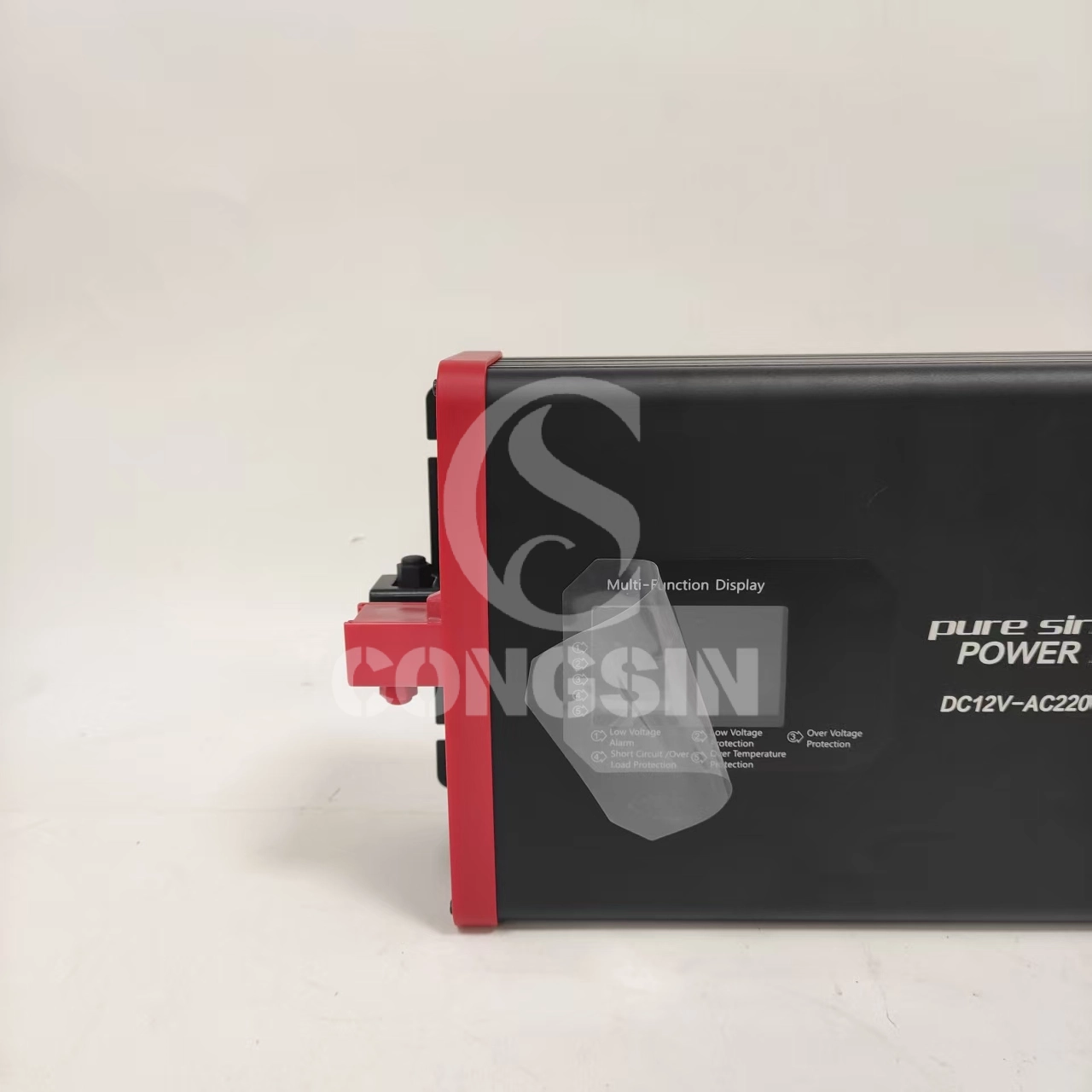
Manufacturer Wholesales 3000W Single Phase Power Inverter Home Camping Appliance
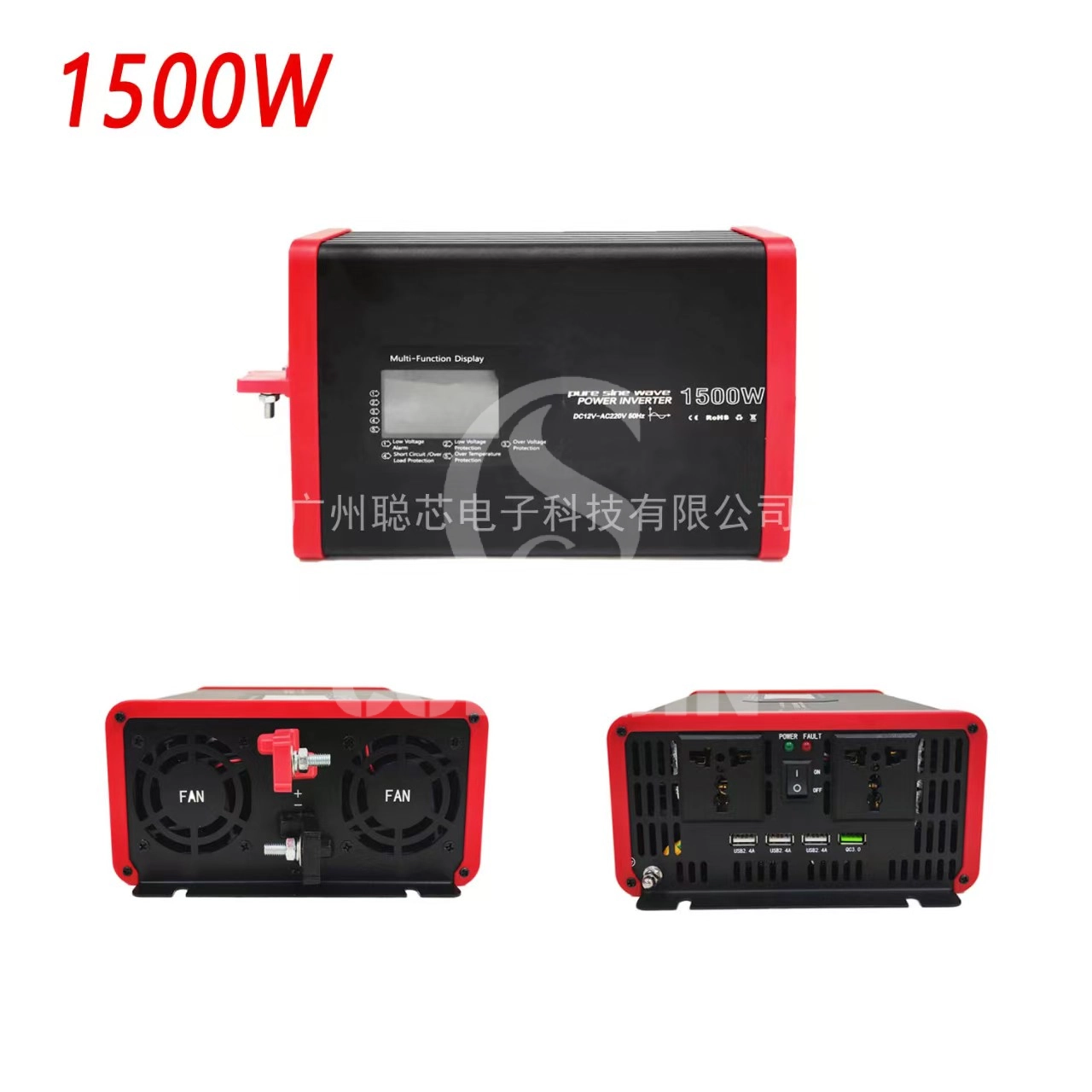
1500W Off-grid Sine Wave Inverter Pure Sine Wave Inverter with LCD Display and OEM Available

Factory Direct Grid-Tie Solar Inverter, Off Grid & On Grid Dual Mode Hybrid Inverter with MPPT Controller
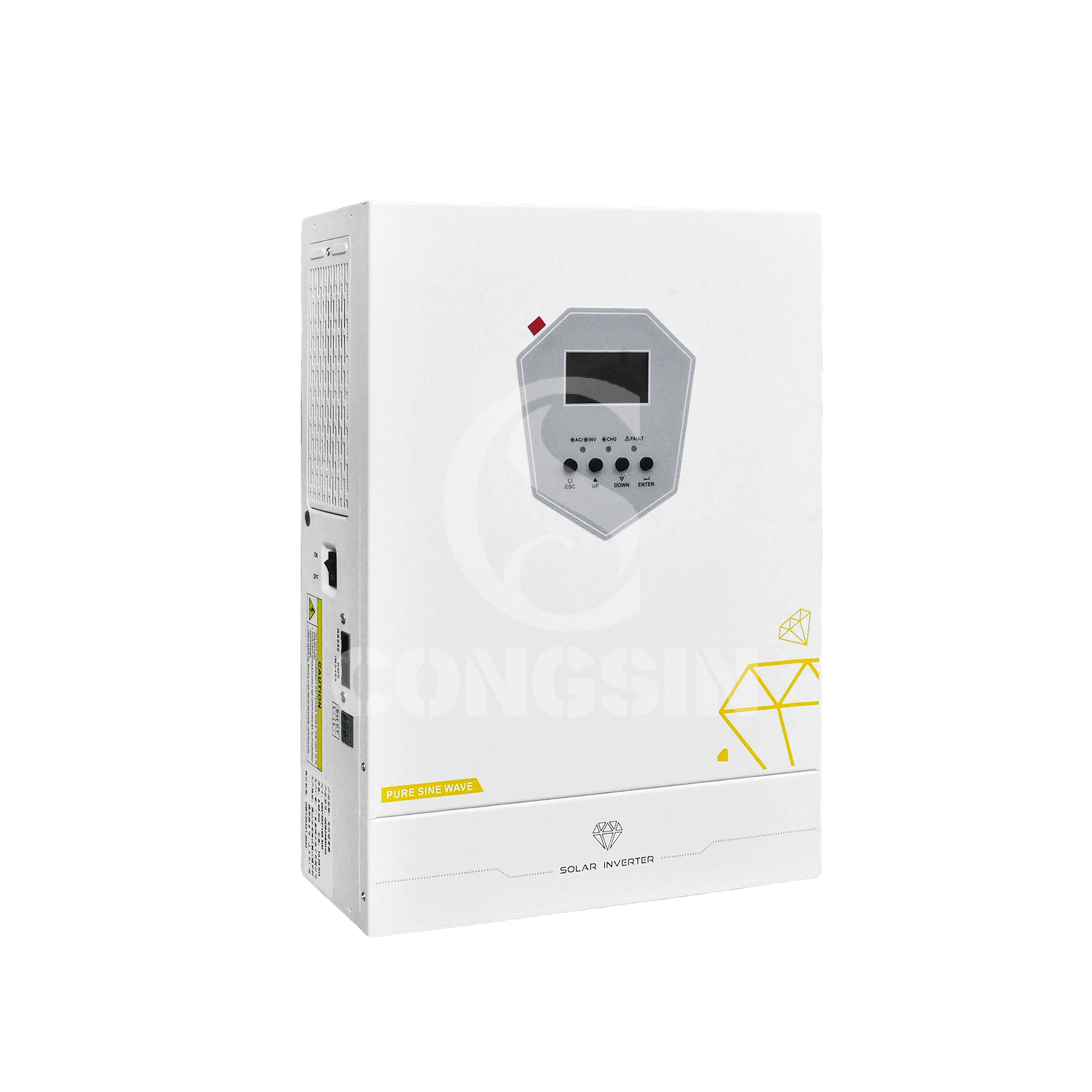
Factory Direct Sales 6000W Hybrid Solar Power Inverter with Controller and LCD Display

CONGSIN is a trusted OEM factory for power inverters, solar charge controllers, and DC converters. Reliable solutions for global B2B buyers.
 High Quality
 7/24 Service
 Guaranteed Warranty
© 2025 Congsin. All Rights Reserved.
 WeChat
 Scan QR Code
sin cong
teaimei10
Whatsapp: +8618028086791
Scan QR Code